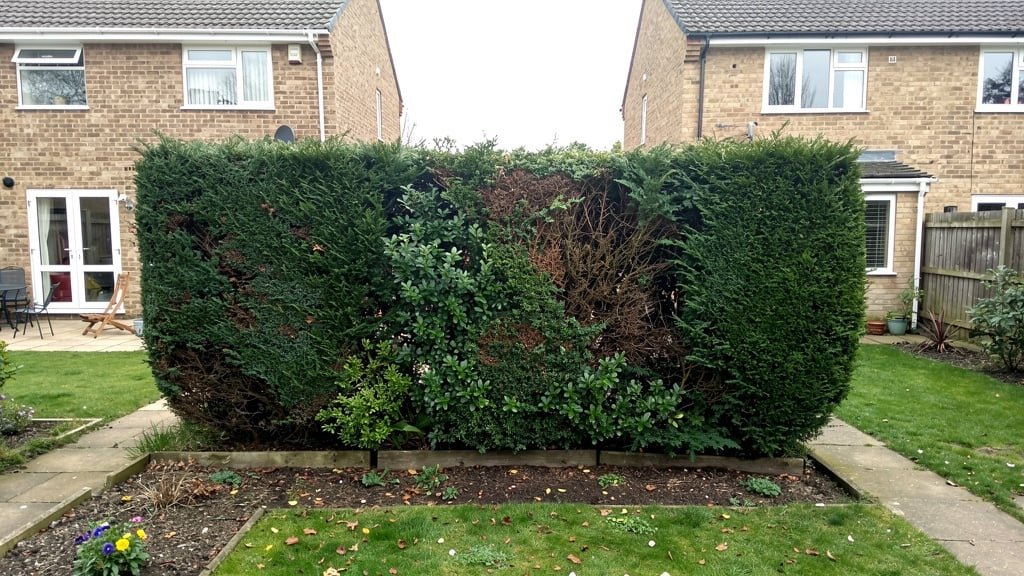
Understanding hedge boundaries and your legal rights regarding them is essential for every property owner in England and Wales. My Boundary Dispute Surveyors regularly help clients resolve hedge-related boundary disputes, from overgrown hedges blocking light to disagreements about hedge ownership and maintenance responsibilities. Whether you have an established hedge marking your property boundary or are considering planting one, this guide will help you understand your legal position and avoid costly disputes with your neighbours.
Understanding Hedge Boundaries in English Property Law
A hedge boundary is any hedge, row of trees, or line of shrubs that marks or runs along the boundary between two properties. Hedges have been used to define property boundaries in England and Wales for centuries, and many historic hedgerows provide valuable evidence about where boundaries lie. Under English property law, hedges are considered part of the land they grow on, which means understanding hedge ownership requires understanding boundary ownership.
The legal status of a boundary hedge depends on several factors that a professional boundary surveyor can investigate. These include where the hedge was originally planted in relation to the legal boundary, what your title deeds and Land Registry title plan show about the boundary position, whether there are any specific covenants or restrictions affecting the hedge, the historic position shown on old Ordnance Survey maps, and any documented agreements between previous property owners about the hedge.
Types of Hedge Boundaries
Different types of hedges have different legal implications for property owners. A single ownership hedge is planted entirely on one person's land, making that person solely responsible for maintenance and giving them the right to remove or replace it (subject to planning restrictions). A boundary hedge planted directly on the boundary line is jointly owned by both neighbors, giving both parties rights and responsibilities for its maintenance. A ancient hedge that has existed for decades or centuries may have special protection under planning law and provides strong evidence of historic boundary positions. Finally, hedgerows subject to regulations include important hedgerows protected under the Hedgerows Regulations 1997, which require permission before removal.
Determining Hedge Ownership
One of the most common questions about hedge boundaries is: who owns the hedge? The answer isn't always straightforward, which is why many hedge disputes arise. My Boundary Dispute Surveyors use several methods to determine hedge ownership when disputes occur.
Examining Your Title Documents
Your property deeds and Land Registry documents may contain information about hedge ownership. Look for T-marks on your title plan, as these small marks indicate which property owner is responsible for maintaining boundary features. If a T-mark appears on your side of the hedge, you're responsible for maintaining it. However, remember that T-marks show maintenance responsibility, not necessarily ownership of the land the hedge grows on.
Some older deeds contain written descriptions of boundaries that specifically mention hedges. For example, a deed might describe the boundary as "the middle of the hedge" or "the fence on the eastern side of the hedge," which can help establish where the legal boundary lies in relation to the physical hedge.
The Root of Title Presumption
In the absence of clear documentary evidence, English law applies a common law presumption about hedge ownership. If a hedge is planted on your land (even right on the boundary), you generally own that hedge. The presumption is that the hedge roots grow in your soil, making the hedge part of your property. However, this is only a presumption and can be rebutted by evidence showing a different arrangement.
A professional boundary survey can help establish where the legal boundary runs in relation to the physical hedge. Our experienced surveyors analyze historic boundary evidence, old maps, and the physical features on the ground to determine the most likely legal position.
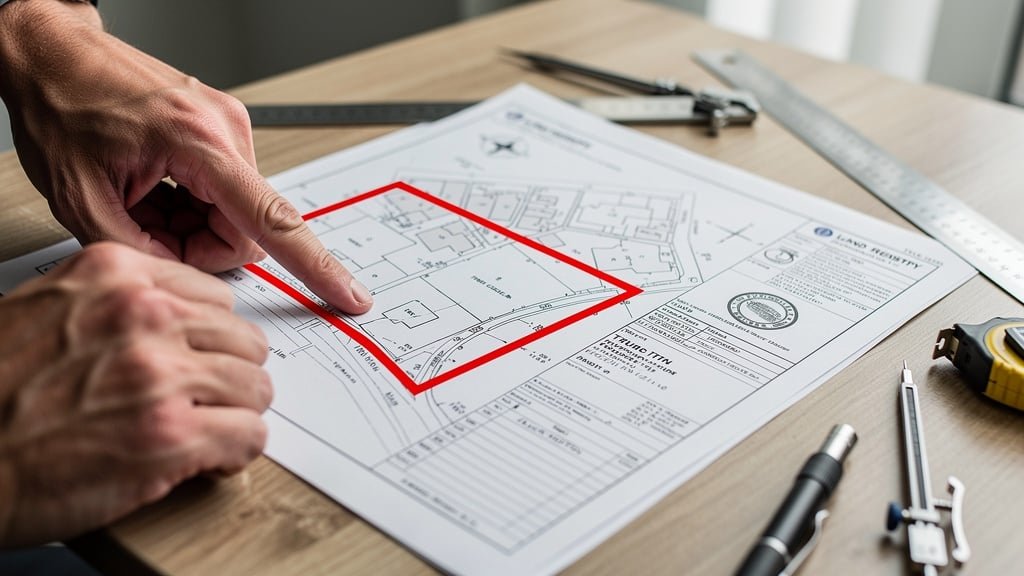
Historic Evidence of Hedge Boundaries
Old hedges provide valuable evidence about historic property boundaries. A boundary surveyor investigating a hedge dispute will examine historic Ordnance Survey mapping dating back to the nineteenth century. These maps often show hedges that have marked boundaries for over one hundred years. Old aerial photographs, estate maps, and conveyance documents can also reveal how long a hedge has existed and where it was originally planted.
Ancient hedgerows (typically those predating 1850) are particularly valuable evidence. The species composition, structure, and archaeological features associated with these hedges can help establish that they've marked the same boundary for centuries. This historical evidence carries significant weight when determining boundary positions in dispute cases.
Rights and Responsibilities for Hedge Maintenance
Understanding your legal obligations regarding hedge maintenance is crucial for avoiding disputes and potential legal liability.
Your Duty to Maintain Your Hedge
If you own a boundary hedge or are responsible for its maintenance (as shown by T-marks on your title plan), you have certain legal duties. You must prevent the hedge from becoming a nuisance to your neighbour by encroaching significantly onto their property or blocking their access. You should trim the hedge regularly to prevent it from growing into an unreasonable obstruction. You need to ensure the hedge doesn't damage your neighbour's property, such as causing subsidence through root growth or blocking drains. You must comply with any restrictive covenants in your title deeds about hedge maintenance or height.
Failure to maintain your hedge properly can result in your neighbour taking legal action against you for nuisance or seeking an injunction requiring you to trim it. In extreme cases where a hedge causes damage to neighbouring property, you could be liable for compensation.
The High Hedges Legislation
The Anti-social Behaviour Act 2003 introduced specific legislation to deal with high hedges that cause problems for neighbours. Under this legislation, if your neighbour's hedge (defined as a line of two or more evergreen or semi-evergreen trees or shrubs) is over two meters tall and blocks light or causes reasonable enjoyment of your property to be affected, you can complain to your local council.
The council can investigate and, if they find the hedge is adversely affecting reasonable enjoyment of your property, can issue a remedial notice requiring the hedge owner to reduce its height. The typical requirement is to cut the hedge to two meters, though councils have discretion based on the specific circumstances. Importantly, you must demonstrate that you've tried to resolve the matter with your neighbour before involving the council. Keep records of your attempts to reach an agreement through letters, emails, and documented conversations.
Rights to Trim Overhanging Hedge Growth
If your neighbour's hedge overhangs your property, you have a legal right to cut back branches and foliage that cross the boundary line. This right is based on the common law principle of abatement of nuisance. However, you must exercise this right carefully. You may only cut back to the boundary line—you cannot trespass onto your neighbour's property to do so. You should offer to return the cuttings to your neighbour, as they technically remain their property. You must not cause unnecessary damage to the hedge when trimming. You should inform your neighbour before cutting back their hedge (though you don't legally require their permission).
Be aware that cutting back a neighbour's hedge can escalate disputes, especially if done without warning or done excessively. Where possible, discuss the matter first and try to reach an agreed boundary maintenance arrangement.
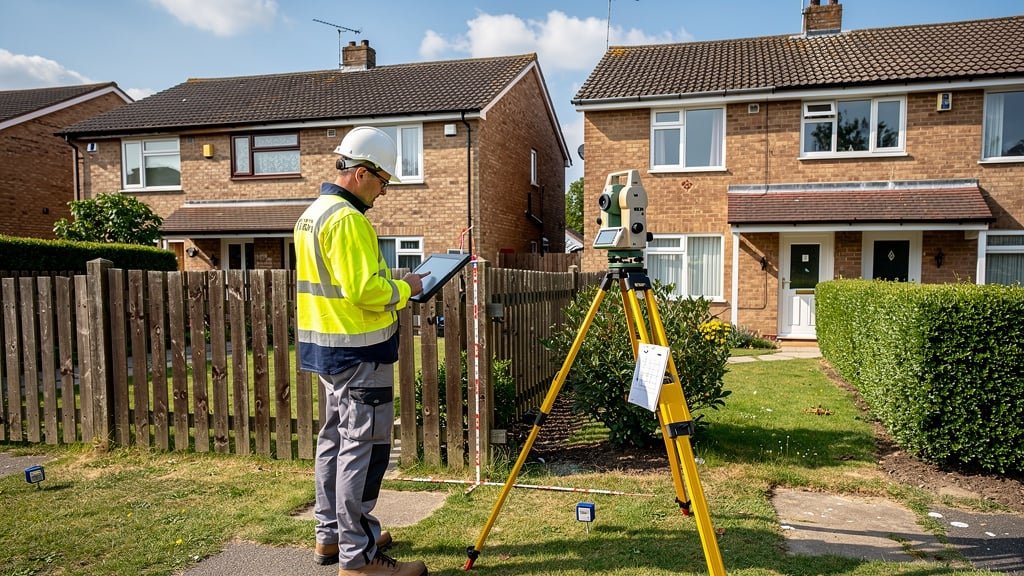
Common Hedge Boundary Disputes
My Boundary Dispute Surveyors encounter several recurring types of hedge boundary disputes across England and Wales. Understanding these common scenarios can help you avoid or resolve similar issues.
Disputes About Hedge Ownership
The most fundamental dispute is simply: whose hedge is it? This often arises when one neighbor wants to remove or significantly alter a hedge, and the other disagrees. These disputes typically occur when properties are bought and sold, as new owners question arrangements accepted by previous owners, when one party wants to replace the hedge with a fence or wall, or when the hedge has become diseased or damaged and requires expensive remedial work.
Resolving hedge ownership disputes requires examining your title documents, any T-marks or notes on your title plan, historic maps and photographs showing the hedge's position over time, and the physical position of the hedge in relation to other boundary features. A professional boundary survey provides the technical evidence needed to determine the legal position. Our boundary reports analyze all available evidence and provide an expert opinion on hedge ownership and the boundary position.
Overgrown Hedge Blocking Light
One of the most common complaints about boundary hedges is that they've grown too tall and block light to neighboring properties. This particularly affects gardens, conservatories, and ground-floor windows. If your neighbour's hedge is blocking light to your property, first try discussing the matter directly with your neighbour. Explain how the hedge affects your property and ask if they would be willing to trim it. If direct discussion doesn't work, send a written request clearly describing the problem and requesting action within a reasonable timeframe (typically twenty-eight days).
If your neighbour refuses to trim the hedge, you have several options depending on the circumstances. For hedges over two meters consisting of evergreen or semi-evergreen species, you can make a high hedges complaint to your local council. For other hedges or situations where the hedge causes actual damage (like blocking essential light protected by rights to light), you may need to seek legal advice about bringing a nuisance claim. In some cases, a professional report from a boundary surveyor documenting the hedge's impact can help support your case for requiring trimming.
Hedge Removal Disputes
Disputes often arise when one property owner wants to remove a boundary hedge and replace it with a fence, wall, or different planting. Before removing any boundary hedge, check your title deeds for restrictive covenants that might prohibit hedge removal or require you to maintain a hedge boundary. Review the Hedgerows Regulations 1997 to determine if the hedge is an important hedgerow requiring permission before removal. Consider whether the hedge might be protected under conservation area or tree preservation order regulations. Discuss your plans with your neighbor and try to reach agreement before taking action.
If you remove a hedge that's jointly owned or protected without proper consent, your neighbour could seek an injunction requiring you to replant it and claim damages for its removal. Legal costs for such disputes can easily exceed ten thousand pounds, far more than the cost of proper consultation beforehand.
Hedge Root Damage
Hedges, particularly those containing large trees or vigorous species like Leylandii, can cause damage to neighboring properties through root growth. Common problems include subsidence or heave in buildings caused by roots extracting or adding moisture to clay soil, blocked or damaged drains from root ingress, and damage to patios, paths, and driveways from root growth underneath.
If your neighbour's hedge is causing damage to your property through root growth, document the damage thoroughly with photographs and expert reports if necessary. Obtain a structural engineer's report if building damage is involved to establish causation. Inform your neighbour in writing about the damage and request remedial action. Consult a solicitor about claiming damages or seeking an injunction requiring hedge removal if the damage is significant.
As the hedge owner, you can be liable for damage caused by your hedge's roots, even if you weren't aware of the problem. This is why regular inspection and maintenance of boundary hedges is important, particularly if your hedge includes large trees near neighboring buildings.

Planting a New Hedge Boundary
If you're considering planting a new hedge as a boundary feature, careful planning can prevent future disputes and ensure you comply with your legal obligations.
Where to Plant Your Hedge
The first critical decision is where to plant your hedge in relation to the legal boundary line. If you plant entirely on your own land (typically at least half a meter inside your boundary), you maintain full control over the hedge and can remove or alter it without your neighbour's consent. However, you'll lose the use of that strip of land. If you plant directly on the boundary line, the hedge becomes jointly owned, requiring agreement with your neighbor for significant alterations but providing maximum use of your land space. Avoid planting on your neighbour's land or encroaching across the boundary, which could lead to disputes and potential legal action.
Before planting, consider commissioning a boundary survey to precisely establish where your legal boundary runs. This investment (typically fifteen hundred to three thousand pounds) can save you from expensive disputes if you plant in the wrong location. Our boundary surveyors can mark the boundary position on the ground, allowing you to plant your hedge with confidence that you're not encroaching onto neighboring land.
Species Selection and Maintenance Planning
Choose hedge species carefully to avoid future problems. Avoid fast-growing species like Leylandii unless you're committed to frequent trimming (at least twice annually), as these can quickly become high hedge nuisances. Consider native species like hawthorn, beech, or hornbeam which provide excellent boundaries while supporting wildlife. Think about the mature height and spread of your chosen species in relation to your neighbor's property. Avoid species with aggressive root systems if planting near buildings or infrastructure.
Factor maintenance requirements into your decision. A formal hedge requires regular trimming to maintain its shape and prevent it becoming a nuisance. Plan for the cost and time involved in hedge maintenance, or budget for professional hedge trimming services. Consider your neighbor's views and discuss your planting plans with them before starting. This goodwill can prevent disputes and may result in helpful suggestions or even shared maintenance arrangements.
Legal Requirements for New Hedges
Before planting a new boundary hedge, check whether you need permission under planning regulations in a conservation area, where hedge planting may require consent. Consider whether any restrictive covenants in your title deeds affect hedge planting. Ensure compliance with any conditions attached to your property title. Be aware of sight lines if your hedge is near a road junction, as highways authorities can require hedges to be kept low for visibility.
Resolving Hedge Boundary Disputes
If you're involved in a hedge boundary dispute, there are several steps you can take to resolve the dispute without resorting to expensive legal action.
Direct Negotiation with Your Neighbour
Most hedge disputes can be resolved through calm, reasonable discussion. Approach your neighbor in a friendly, non-confrontational manner and explain your concerns about the hedge. Listen to their perspective on the situation, as they may have valid reasons for maintaining the hedge as it is. Propose practical solutions such as sharing trimming costs, agreeing on a maintenance schedule, or reaching a compromise on hedge height. Document any agreement you reach in writing, signed by both parties, to prevent future misunderstandings.
Keep records of all correspondence and conversations about the hedge dispute. These records can be valuable evidence if the matter escalates to formal proceedings.
Professional Boundary Survey Evidence
If your dispute involves questions about hedge ownership or the boundary position, a professional boundary survey provides objective technical evidence. Our RICS-accredited land surveyors conduct detailed investigations including analysis of Land Registry title plans and deeds, research into historic maps and documents, measured survey of the hedge and boundary features, expert opinion on the legal boundary position, and comprehensive written reports suitable for court proceedings if necessary.
A professional survey report often resolves disputes by providing clear evidence that both parties can accept. Even if your neighbor initially disagrees, the objective expert evidence usually encourages reasonable settlement. The cost of a boundary survey (typically fifteen hundred to four thousand pounds depending on complexity) is far less than the cost of legal proceedings, which can easily exceed twenty thousand pounds.
Mediation and Alternative Dispute Resolution
If direct negotiation doesn't resolve your hedge dispute, consider professional mediation before pursuing legal action. Mediation involves a neutral third party helping you and your neighbor reach a mutually acceptable agreement. Benefits include much lower costs than court proceedings (typically one thousand to three thousand pounds split between parties), faster resolution (usually completed in one day), creative solutions that courts cannot order (such as shared maintenance arrangements), confidential process, and preservation of neighbor relationships.
Mediation success rates for boundary disputes are high, with seventy to eighty percent resulting in settlement. Even if mediation doesn't fully resolve the dispute, it often narrows the issues in contention and can lead to settlement shortly afterward.
When Legal Action Becomes Necessary
In some cases, legal proceedings become unavoidable. You should consult a property solicitor experienced in boundary disputes if your neighbor refuses to engage in discussion or mediation, the hedge is causing significant damage to your property, your neighbor threatens or begins legal action against you, you need an injunction to prevent hedge removal or require urgent trimming, or high hedges complaints to the council have failed to resolve the matter.
A solicitor can advise on the strength of your case, likely costs (including risk of paying the other side's costs if you lose), and whether legal action is economically worthwhile given what's at stake. Remember that legal costs for boundary disputes commonly exceed thirty thousand pounds for cases that go to trial, so the cost-benefit analysis is crucial.
Hedge Boundaries and Property Transactions
If you're buying or selling property with a hedge boundary, specific considerations apply during the property purchase process.
For Property Buyers
When purchasing property, carefully inspect boundary hedges and raise questions with your conveyancing solicitor about who is responsible for maintaining boundary hedges according to the title documents, whether there are any disputes or complaints about the hedges from neighbors, whether the hedges are protected under hedgerow regulations or conservation rules, and whether there have been any high hedges complaints to the local council. Consider commissioning a pre-purchase boundary survey if hedge boundaries are unclear or if there's evidence of boundary disputes.
For Property Sellers
As a seller, disclose any hedge-related disputes or issues to potential buyers through the Property Information Form. Failure to disclose known problems can result in legal claims after completion. Be prepared to answer questions about hedge maintenance responsibility and provide evidence such as title plans showing T-marks or correspondence about hedge maintenance arrangements.
Conclusion
Hedge boundaries are attractive, traditional boundary features that provide privacy, wildlife habitat, and property definition. However, they require proper maintenance and clear understanding of ownership and responsibilities to avoid disputes. The key principles are to understand who owns your boundary hedge through examination of title documents and historic evidence, maintain your hedges properly to prevent them becoming a nuisance to neighbors, respect your rights and obligations regarding hedge trimming and maintenance, communicate with neighbors about hedge issues before they escalate into disputes, and seek professional help from boundary surveyors and solicitors when disputes arise.
At My Boundary Dispute Surveyors, we regularly help property owners across England and Wales resolve hedge boundary disputes through professional survey evidence and expert reports. Our experienced land surveyors provide detailed analysis of hedge ownership, boundary positions, and maintenance responsibilities, helping you resolve boundary disputes without unnecessary legal costs.
Need Help with a Hedge Boundary Dispute?
Our experienced boundary surveyors can help you establish hedge ownership, determine boundary positions, and resolve hedge disputes professionally. We provide detailed survey reports and expert evidence to help you understand your rights and reach practical solutions.
Frequently Asked Questions
Can I cut my neighbour's hedge if it overhangs my property?
Yes, you have a legal right to cut back overhanging branches and foliage to the boundary line. However, you should inform your neighbor first, must not trespass onto their property to do so, and should offer to return the cuttings. You cannot cut beyond the boundary onto their land.
How tall can my boundary hedge be?
There is no specific legal height limit for hedges. However, if your hedge is over two meters tall and consists of evergreen or semi-evergreen species, your neighbor can complain to the local council under high hedges legislation if it adversely affects their reasonable enjoyment of their property.
Do I need permission to remove a boundary hedge?
It depends on several factors including whether the hedge is jointly owned (requiring neighbor agreement), whether it's protected under Hedgerows Regulations 1997 as an important hedgerow, whether you're in a conservation area (may require consent), and whether your title deeds contain restrictive covenants about maintaining hedges. Check all these factors before removing any hedge.
Who is responsible for maintaining a boundary hedge?
Check your Land Registry title plan for T-marks, which indicate maintenance responsibility. If the T-mark points to your property, you're responsible. If there's no T-mark, the hedge owner (usually the person on whose land the hedge is planted) is responsible. For hedges planted directly on the boundary, responsibility may be joint.
Can my neighbour force me to cut my hedge?
If your hedge is causing a legal nuisance or is subject to a valid high hedges complaint, your neighbor may be able to require you to trim it through council action or court order. They cannot physically cut your hedge themselves without your permission, except for overhanging growth on their side of the boundary.
What is an important hedgerow under the Hedgerows Regulations?
An important hedgerow is one that meets specific criteria under the Hedgerows Regulations 1997, including being at least thirty years old, over twenty meters long, and meeting certain historical, archaeological, or wildlife importance criteria. Removing an important hedgerow without permission is a criminal offense.