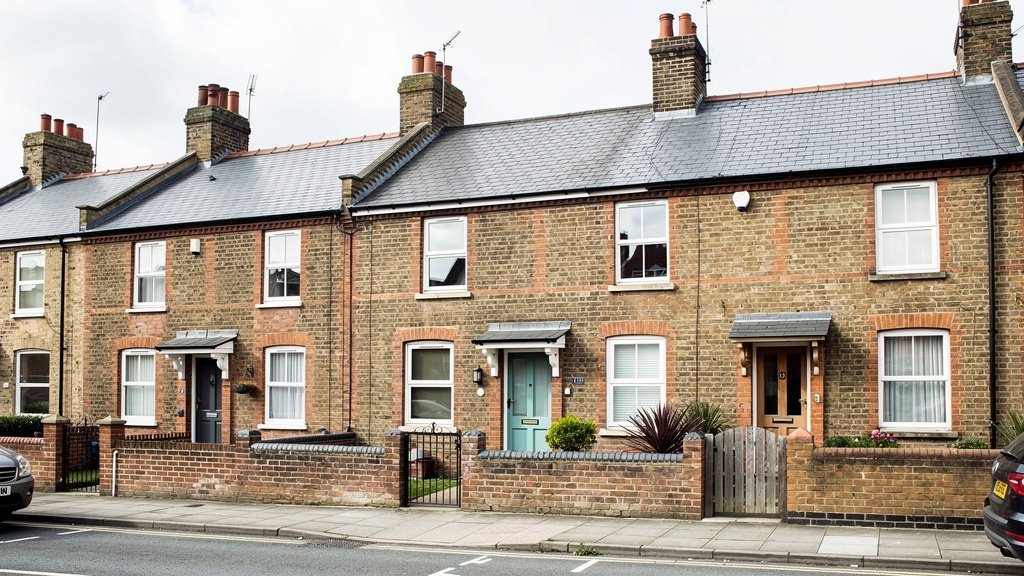
Understanding party walls and shared boundaries is essential for anyone owning a terraced, semi-detached, or property with adjoining structures in England and Wales. My Boundary Dispute Surveyors regularly help clients navigate the complex legal framework governing party walls, from serving Party Wall Act notices before building work to resolving disputes about party wall ownership and maintenance. Unlike standalone boundary features like fences or hedges where ownership is often straightforward, party walls involve shared ownership and mutual rights that can become confusing when building work or repairs are needed. This comprehensive guide will help you understand your legal position regarding party walls and avoid costly disputes with neighbors.
What is a Party Wall?
A party wall is any wall that stands astride the boundary between two (or sometimes more) separate properties and forms part of a building. The defining characteristic is that the wall is shared between the properties, typically with each owner owning the part of the wall on their side of the boundary. However, the legal position is more nuanced than simple divided ownership. Under English property law, there are several types of party structures including party walls which are walls standing directly on the boundary line between two properties, forming part of both buildings such as the shared wall between semi-detached houses or between terraced houses. Party fence walls are walls standing on the boundary but not forming part of any building, such as a garden wall shared between two properties. Party structures also include floors and other structures separating different parts of buildings in different ownership, such as floors between flats.
The Party Wall etc Act 1996 (which we'll refer to as the Party Wall Act) governs work on party walls in England and Wales. Understanding this Act is crucial for anyone planning building work near or on a shared boundary.
Common Misconceptions About Party Walls
Many property owners hold incorrect beliefs about party walls that can lead to disputes and legal problems. Common misconceptions include believing you can do whatever you want to your side of a party wall without neighbor consent, assuming your neighbor must pay half of all party wall repairs regardless of who needs the work, thinking the Party Wall Act only applies to terraced houses (it applies to all buildings with party walls), believing party wall disputes require going to court (most are resolved through the Party Wall Act's surveyor process), and assuming party walls are always owned fifty-fifty down the middle (ownership can be more complex). Understanding the reality behind these misconceptions helps avoid disputes and ensures compliance with legal obligations.
Party Wall Ownership and Rights
The ownership of party walls involves complex legal principles that have developed over centuries of English property law.
The Presumption of Divided Ownership
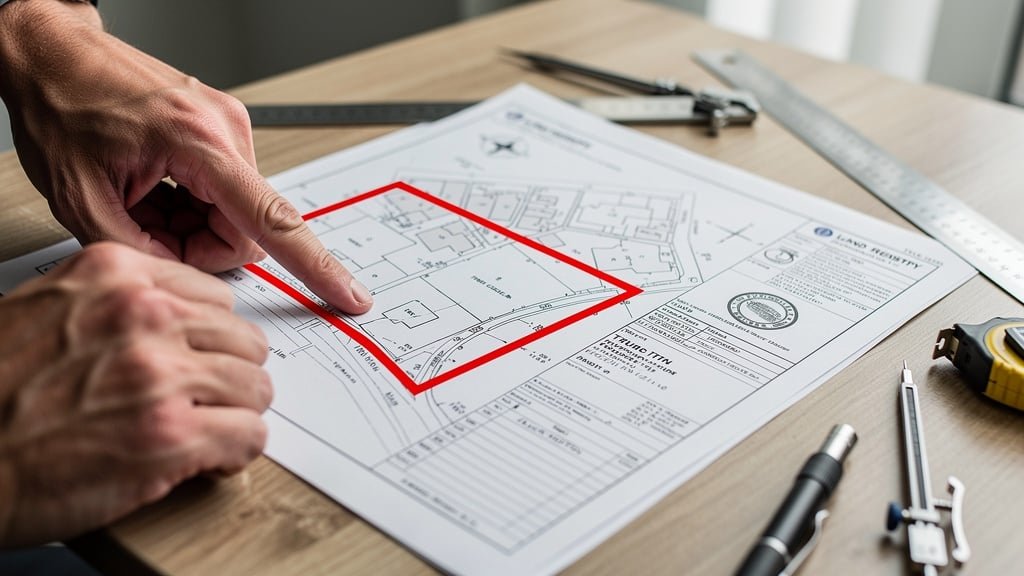
The general legal presumption is that each adjoining owner owns the part of the party wall on their side of the boundary line, typically up to the midpoint of the wall. This means a party wall between two properties is usually owned half by each party, divided vertically down the middle. However, this is only a presumption and can be rebutted by evidence showing a different arrangement was intended. Evidence that might show different ownership arrangements includes specific provisions in title deeds or conveyance documents, historic plans showing the wall entirely on one property with an easement for the neighbor to use it, building records showing one owner originally built the wall and granted rights to the neighbor, or long-established arrangements documented in property records.
A professional boundary surveyor can investigate the ownership of party walls by examining Land Registry documents, old deeds, and historic evidence to establish the legal position.
Mutual Rights and Obligations
Regardless of the exact ownership position, party wall owners have mutual rights and obligations toward each other. Each owner has the right to have the wall remain standing and provide support for their building, the right to expect the other owner to maintain their part of the wall, the right to use the wall for support when building or repairing their property (subject to Party Wall Act procedures), and the obligation not to damage or undermine the party wall or reduce its effectiveness. Neither owner can unilaterally demolish or remove a party wall, as both have rights to its continued existence. Any work affecting the wall must follow the Party Wall Act procedures.
The Party Wall etc Act 1996
The Party Wall Act 1996 provides a legal framework for carrying out building work that affects party walls, boundary walls, and excavations near neighbors' foundations. The Act applies throughout England and Wales and is designed to prevent disputes by requiring property owners to notify neighbors of planned work and follow agreed procedures.
When the Party Wall Act Applies
You must follow Party Wall Act procedures if you plan work on an existing party wall such as cutting into the wall for steel beams, removing chimney breasts, raising or underpinning the wall, rebuilding the wall, or making any other structural changes. The Act also applies when building a new wall directly on the boundary line, even if it's a garden wall not part of a building, and excavating within three or six meters of your neighbor's building depending on the depth of excavation relative to your neighbor's foundations. The Act does NOT apply to minor work like plastering, decorating, drilling small holes for pictures, or replacing kitchen units that don't affect the party wall structure.
Serving Party Wall Notices
If your planned work falls under the Party Wall Act, you must serve formal written notice on your neighbors before starting work. The notice requirements are a party wall notice for work to an existing party wall must be served at least two months before work starts, a party structure notice for building a new wall on the boundary must be served at least one month before work starts, and notices of adjacent excavation for digging near foundations must be served at least one month before work starts. The notice must describe the proposed work in detail, include plans and drawings where appropriate, explain the relevant section of the Party Wall Act being relied upon, and be served on all adjoining owners (not just occupiers—you must identify and notify property owners even if they don't live at the address).
Many property owners make the mistake of not serving notices or serving them too late, which can result in injunctions stopping work and potential liability for any damage caused.
How Neighbors Can Respond
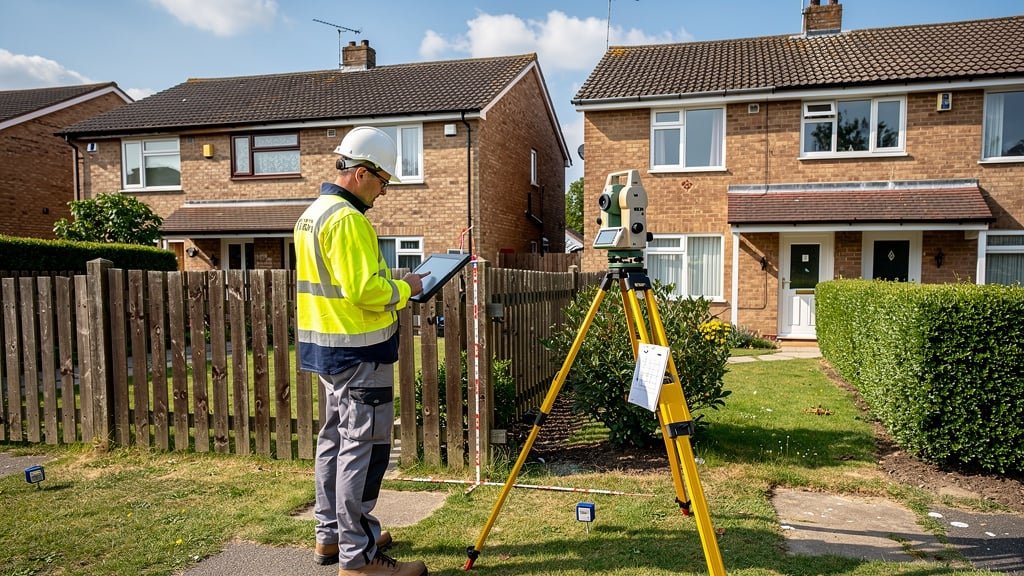
When your neighbor receives a Party Wall Act notice, they have three options. They can consent to the work in writing, which allows you to proceed as planned though you should still arrange a pre-work inspection to document the party wall's condition. They can consent with conditions, agreeing to the work but requesting specific measures like particular working hours or additional protections. Or they can dissent or not respond within fourteen days, which automatically triggers the dispute resolution process even if your neighbor actually has no objection but simply didn't respond. Many disputes arise simply from neighbors not responding to notices within the required time.
The Party Wall Surveyor Process
If your neighbor dissents or doesn't respond, the Party Wall Act requires appointment of surveyors to resolve matters. The options are agreed surveyor where both owners jointly appoint a single surveyor to act for both parties, two surveyors where each owner appoints their own surveyor and these two surveyors then work together, or three surveyors where each owner appoints a surveyor and these two appoint a third surveyor to help resolve disagreements (rare and expensive). The appointed surveyors (who must be impartial even if appointed by one party) prepare a Party Wall Award, which is a legal document setting out what work can be done, how and when the work will be carried out, what protective measures must be implemented, how costs will be allocated between the parties, and the condition of the party wall before work starts.
The Party Wall Award is binding on both parties. If either disagrees, they can appeal to the County Court within fourteen days, but courts are reluctant to overturn awards except for clear procedural errors.
Party Wall Costs
The owner carrying out the work normally pays all reasonable costs associated with the Party Wall Act process, including the cost of their own surveyor, the cost of the neighbor's surveyor, and the cost of an agreed surveyor if one is appointed. These costs typically range from one thousand to five thousand pounds depending on complexity, which can be a nasty surprise for property owners who didn't budget for them. However, the Act does provide that if the neighbor refuses to consent to work that is reasonable and necessary, or if the neighbor requires unnecessary additional protections, the costs may be allocated differently.
Common Party Wall Disputes
Despite the Party Wall Act providing a clear framework, disputes still arise regularly. My Boundary Dispute Surveyors frequently help clients resolve these common party wall issues.
Damage During Building Work
The most common party wall dispute arises when building work causes damage to the neighbor's property. Typical damage includes cracks in walls or ceilings from vibration or structural movement, damage to decorations or fittings, disruption from noise and dust, and subsidence from excavations near foundations. This is why the Party Wall Award should include a schedule of condition (detailed description with photographs of the party wall and neighbor's property before work starts). If damage occurs, the schedule proves what condition things were in originally, making it clear what damage the work caused. The building owner is liable for making good any damage caused by the work.
Disputes About Party Wall Maintenance
Questions about who should pay for party wall repairs and maintenance cause frequent disputes. The general rule is that each owner is responsible for maintaining their own side of the party wall. However, if repairs are needed for the benefit of both properties (like repointing or treating damp), costs should be shared proportionally based on the use each owner makes of the wall. If one owner's property causes damage to the party wall (like leaking gutters causing damp), that owner should pay for repairs. If one owner wants improvements beyond what's necessary for basic maintenance, they should pay the additional cost.
These principles sound simple but can become contentious. For example, if a party wall needs repointing, should costs be split equally? What if one property is significantly larger and places more load on the wall? What if one owner wants expensive lime mortar while the other thinks standard cement mortar is adequate? Professional advice from a party wall surveyor or boundary surveyor can help resolve these disputes fairly.
Historical Work Without Party Wall Notices
Many disputes arise when one owner discovers their neighbor did significant work to a party wall years ago without serving Party Wall Act notices. Perhaps the previous owner built an extension with steel beams cut into the party wall, or removed a chimney breast, all without following proper procedures. The current owner who wasn't notified faces a dilemma when they discover cracks or subsidence that may have been caused by the historical work. While the Party Wall Act notice provisions don't have retrospective effect (you can't serve a notice after work is complete), claims for damage can be brought under normal property law. If historical work has caused damage, you may be able to claim against the neighbor who did the work (or their predecessor) for the cost of repairs.
This highlights why it's important to investigate party wall history when buying terraced or semi-detached property. Your conveyancing solicitor should ask sellers whether any party wall work has been done and request copies of Party Wall Awards.
Party Walls and Building Work
Understanding how to handle building work involving party walls properly can prevent expensive disputes and delays to your project.
Planning Building Work Involving Party Walls
Before starting any building project that might affect a party wall, follow these steps. Identify whether your planned work falls under the Party Wall Act by consulting your architect or builder. Factor in the time required for Party Wall Act procedures (at least two to three months before work can start). Budget for Party Wall Act costs (typically one thousand to five thousand pounds). Instruct a party wall surveyor early to advise on notice requirements and procedures. Serve notices correctly and with proper timing. Arrange schedule of condition surveys before work starts. Ensure your builder understands party wall requirements and works carefully to avoid damage. Keep neighbors informed throughout the work to maintain good relations.
Many building projects are delayed because owners don't start the Party Wall Act process early enough. Don't assume you can serve a notice and start work immediately.
Working Near Party Walls Without Triggering the Act
Some building work can be done near party walls without triggering full Party Wall Act procedures. Minor work that doesn't affect the structure like plastering, tiling, or decorating on your side of the party wall, installing kitchen units or bathrooms that don't require cutting into the party wall structure, normal electrical or plumbing work using existing chases and routes, and general maintenance that doesn't involve structural alterations. However, even for minor work, it's good practice to inform neighbors of your plans and arrange access for them to inspect afterward if they have concerns. This goodwill can prevent disputes from arising.

Party Walls in Different Types of Property
Different property types present unique party wall considerations.
Terraced Houses
Terraced properties have party walls on both sides (except end terraces which have one party wall). Common issues include extensive shared walls meaning more potential for disputes, chimney breasts often removed on one side but remaining on the other creating structural concerns, multiple owners affected if you're in the middle of a terrace and your work affects both neighbors, and historic alterations by previous owners that may not have followed proper procedures. When buying a terraced property, always investigate the party wall history and check for signs of historical alterations that might cause future problems.
Semi-Detached Properties
Semi-detached houses share one party wall between them. Issues that commonly arise include significant differences in property type or age between the two halves creating different structural needs, extensions or alterations where one half has been extended and the other hasn't, loft conversions that require work to the party wall for structural support, and garden walls that might also be party fence walls even though they're separate from the house. Semi-detached properties often have asymmetric relationships where one owner wants to alter or extend while the other doesn't, creating potential for conflict.
Flats and Apartments
Flats involve party floors and ceilings as well as potentially party walls between units. Additional complications include multiple party structures (walls, floors, ceilings) all potentially affected by alterations, freeholders or management companies having interests in the structure, leasehold restrictions that may prevent or control alterations even if the Party Wall Act would permit them, and sound insulation requirements that affect what work is acceptable. Always check your lease carefully before planning work in a flat, as leasehold restrictions often go beyond Party Wall Act requirements.
When Party Wall Disputes Require Legal Action
The Party Wall Act is designed to avoid court proceedings, and most party wall matters are resolved through the surveyor process. However, legal action sometimes becomes necessary.
When to Consult a Solicitor
You should seek legal advice from a property solicitor if your neighbor is carrying out work without serving required Party Wall Act notices, you've suffered damage from neighbor's work and they refuse to make repairs, a Party Wall Award has been made but your neighbor isn't complying with it, you disagree with a Party Wall Award and want to appeal, or your neighbor is claiming you must pay for their party wall work but you believe the claim is unreasonable. A solicitor experienced in party wall matters can advise on your legal rights and options, help negotiate settlements without court proceedings, represent you in court if proceedings become unavoidable, and work with party wall surveyors and boundary surveyors to build your case.
Buying or Selling Property with Party Walls
When buying or selling properties with party walls, specific considerations apply during the conveyancing process.
Questions Buyers Should Ask
If you're buying a terraced, semi-detached, or other property with party walls, ensure your conveyancing solicitor asks about any party wall work done by current or previous owners including copies of Party Wall Act notices and Awards, whether there are any ongoing party wall disputes with neighbors, whether any damage has been caused to party walls by either property, whether the seller is aware of any party wall work planned by neighbors, and details of party wall maintenance arrangements. Don't complete the purchase if you have unresolved concerns about party wall issues. Problems discovered after completion can be expensive to resolve and may indicate hidden structural defects.
Disclosures Sellers Must Make
As a seller, you must disclose known party wall issues including details of any party wall work you've carried out, copies of Party Wall Act notices you've served or received, any party wall disputes or complaints from neighbors, damage to party walls from any cause, and any knowledge of party wall work planned by neighbors that might affect the property. Failure to disclose known issues can result in legal claims from the buyer after completion.
Conclusion
Party walls and shared boundaries create unique legal situations requiring understanding of both property ownership principles and the specific procedures in the Party Wall Act 1996. The key principles are that party walls are usually owned jointly with each neighbor owning their half, the Party Wall Act provides a framework for handling building work affecting party walls through notice procedures and surveyor appointments, both owners have mutual rights and obligations regarding party wall maintenance and support, and disputes are usually resolved through party wall surveyors rather than court proceedings. When planning building work that affects a party wall, follow Party Wall Act procedures properly including serving notices with adequate time before work starts, appointing qualified party wall surveyors when required, arranging schedule of condition surveys to protect against damage claims, and keeping neighbors informed and maintaining good relations throughout the work.
At My Boundary Dispute Surveyors, we regularly work with party wall surveyors and help clients resolve complex party wall and boundary issues. Our experienced land surveyors can investigate party wall ownership, provide expert reports on party wall disputes, and work alongside your legal team when proceedings become necessary.
Need Help with Party Wall or Boundary Issues?
Our experienced surveyors can investigate party wall ownership, provide expert advice on Party Wall Act procedures, and help resolve disputes with neighbors. We work throughout England and Wales on all types of party wall and boundary matters.
Frequently Asked Questions
Do I need Party Wall Act notice to remove a chimney breast?
Yes, removing a chimney breast from a party wall requires serving a Party Wall Act notice at least two months before work starts. The work structurally affects the party wall and your neighbor's chimney breast, so full Party Wall Act procedures apply.
Who pays for party wall surveys?
The building owner (person doing the work) normally pays all reasonable Party Wall Act costs including both surveyors' fees. Costs typically range from one thousand to five thousand pounds depending on work complexity.
What happens if I don't serve a Party Wall Act notice?
If you do work requiring a notice without serving one, your neighbor can apply for a court injunction stopping the work. You may be liable for any damage caused and could face legal costs. Always serve required notices before starting work.
Can my neighbor refuse consent to reasonable party wall work?
Your neighbor cannot unreasonably refuse consent to necessary party wall work. If they dissent, the Party Wall Act surveyor process determines what work can proceed. The surveyors will authorize reasonable and necessary work even if your neighbor objects.
How long does the Party Wall Act process take?
From serving notice to being able to start work takes at least two months for party wall work or one month for new walls or excavations. If neighbors dissent and surveyors must be appointed, add another one to two months for the Award to be prepared. Budget at least three to four months total.
Am I responsible for damage my builder causes to the party wall?
Yes, as the building owner you're responsible for any damage caused during your work, even if your builder was at fault. This is why schedule of condition surveys before work are essential, and why you should ensure your builder has adequate insurance.